Text size
Line height
Text spacing
Content
It marked the final stage of the MariTech Talent Programme, building on insights gathered from earlier phases. The final stage combined an online component in the form of courses (29 September–3 October 2025) with onsite activities in Limassol, Cyprus (6–8 October 2025).
Its objectives were to:
In total, 33 participants took part, and the group represented a diverse cross-section of the maritime ecosystem, including professionals from ship management, port operations, engineering, ESG, environmental compliance, cybersecurity, shipping law, research, entrepreneurship, and innovation. Participants came from Italy, Greece, Bulgaria, Luxembourg, Sweden, Latvia, and Cyprus. Upon successful completion of the programme, participants were eligible to receive 2 ECTS credits through a formally accredited micro-credential delivered by the Cyprus University of Technology. This recognition aligned with the MariTech Talent Programme framework and supported the professional development of participants.
Online Courses
The consortium prepared a full suite of online courses covering cybersecurity, digitalisation, sustainability, innovation, intrapreneurship, and maritime regulation. Designed as self-paced modules, the courses combine presentations, reading materials, practical examples, case studies and quizzes drawn from real maritime contexts. They were developed to strengthen participants’ technical knowledge while supporting their ability to apply new tools and frameworks in their daily work. All courses are available on the MariTech Collaboration Node, where participants can register, enrol, and follow the materials at their convenience
The courses can be found here.
On-Site Activities in Limassol, Cyprus
The onsite phase took place from 6 to 8 October 2025 and featured a mix of conference attendance, workshops, and a guided port visit. Participants engaged in morning sessions at the Maritime Cyprus 2025 Conference, gaining exposure to global perspectives on shipping, regulatory developments, and industry trends. Afternoon sessions included workshops on IMSAS auditing, port infrastructure management, systems thinking, enterprise design, and the integration of AI in problem-solving processes, held at the Cyprus University of Technology. A dedicated workshop on digital transformation, delivered with the support of DiGiNN, enabled participants to analyse organisational challenges and identify digital capability gaps. All materials are made available on the Collaboration Node.
On-Site Training Workshops – 6 October 2025 (CUT, Limassol)
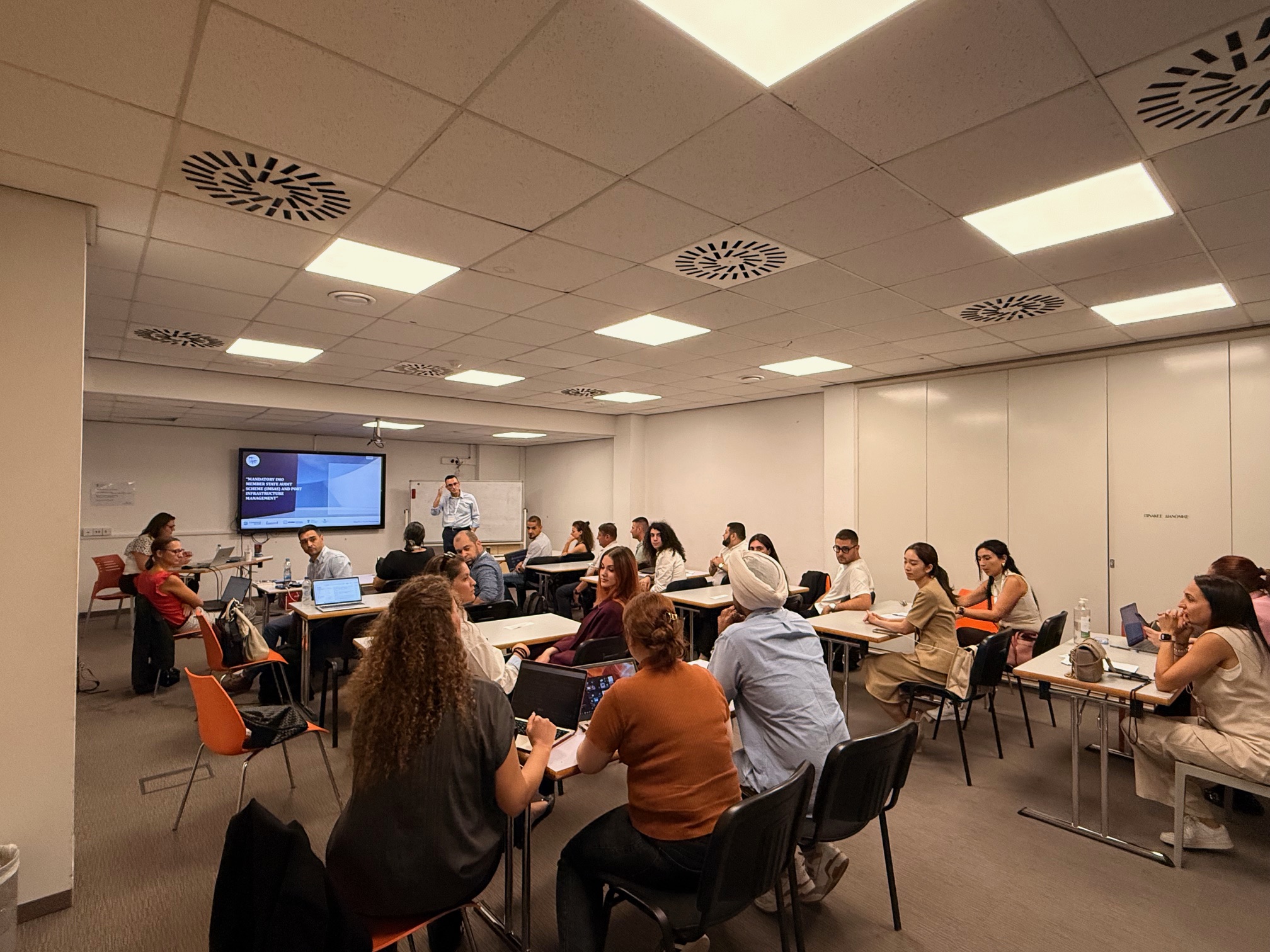
The on-site programme opened with a series of workshops hosted at the Cyprus University of Technology. These sessions introduced participants to key tools and methodologies relevant to contemporary maritime challenges. The first workshop focused on the IMO Member State Audit Scheme (IMSAS) and Port Infrastructure Management, outlining the role of auditing in enhancing compliance, safety, and environmental performance. Participants explored how audit findings translate into improved port governance and operational practices.
The second workshop centred on Systems Thinking and Design Thinking with AI integration, with a focus on using structured frameworks to navigate complex maritime problems. Through the Pentagonal Problem Canvas, participants examined interconnected factors such as resource constraints, technical limitations, societal impacts, climate considerations, and the core problem definition. The integration of Artificial Intelligence in design and decision-making processes was also highlighted, demonstrating how data-driven insights can support more robust maritime innovation.
Digital Transformation Workshop – 7 October 2025
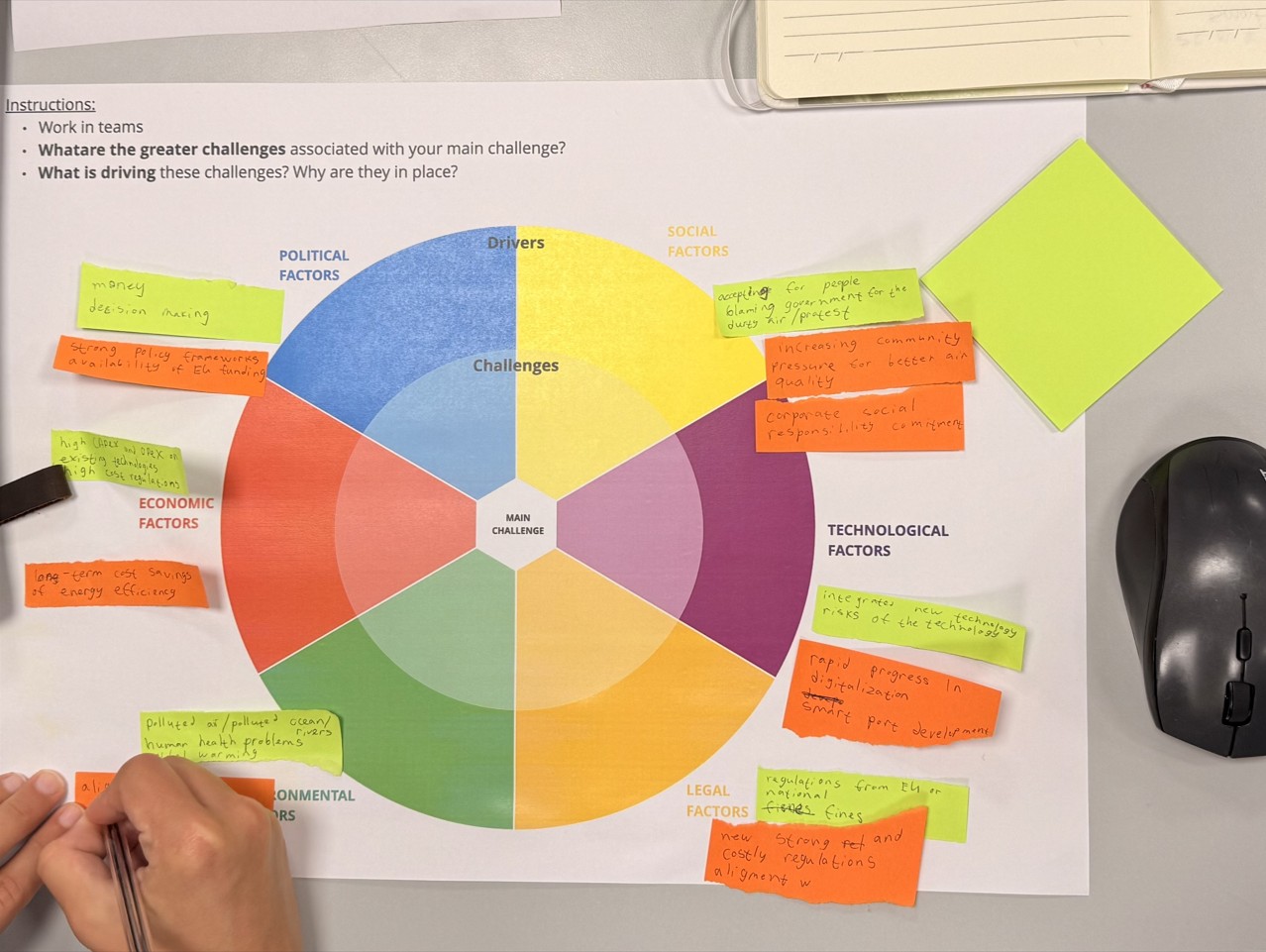
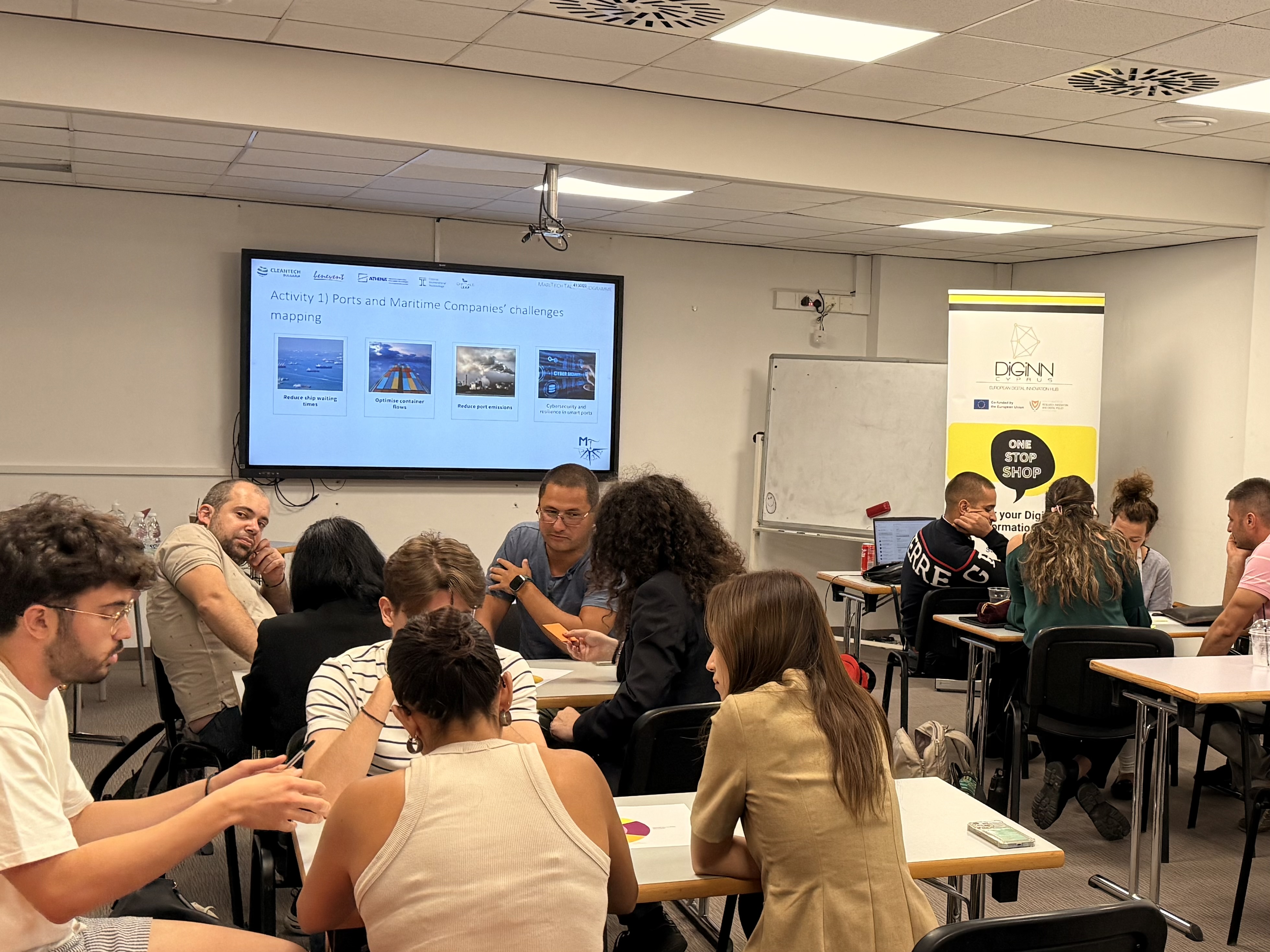
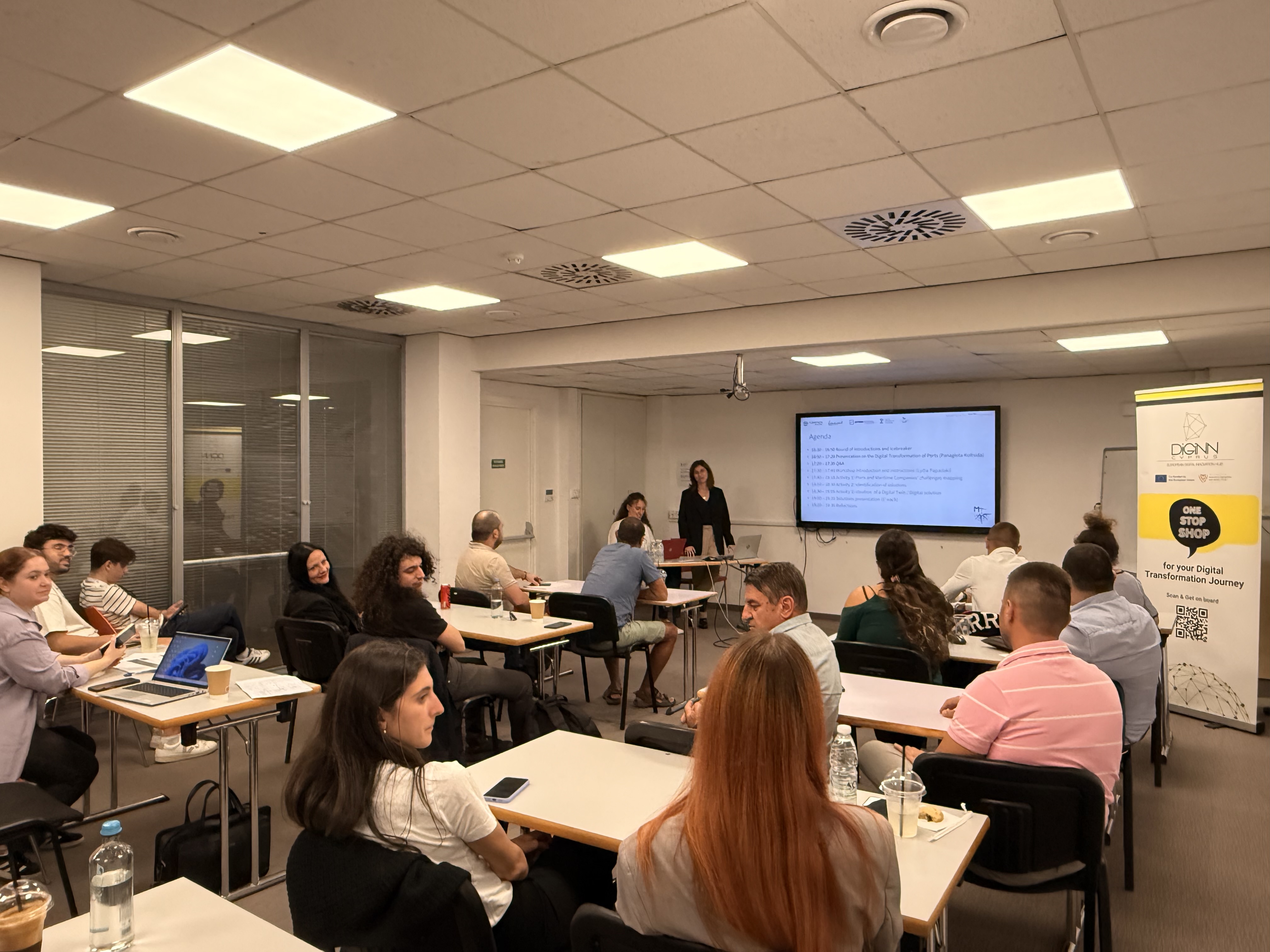
The next afternoon session focused on the digitalisation of the maritime sector, in collaboration with DiGiNN. Participants were introduced to the major drivers shaping digital transformation — including data integration, automation, real-time monitoring, and emerging regulatory requirements. The workshop combined presentations with hands-on group work, guiding participants to map their organisation’s challenges and identify capability gaps in areas such as digital skills, interoperability, and technology adoption. Using a structured visual tool, teams developed initial digital strategies, highlighting priority areas such as fleet optimisation, port logistics, environmental monitoring, and cybersecurity. The session concluded with an informal networking event, enabling participants to explore collaboration opportunities with researchers and technology providers.
Limassol Port Visit – 8 October 2025
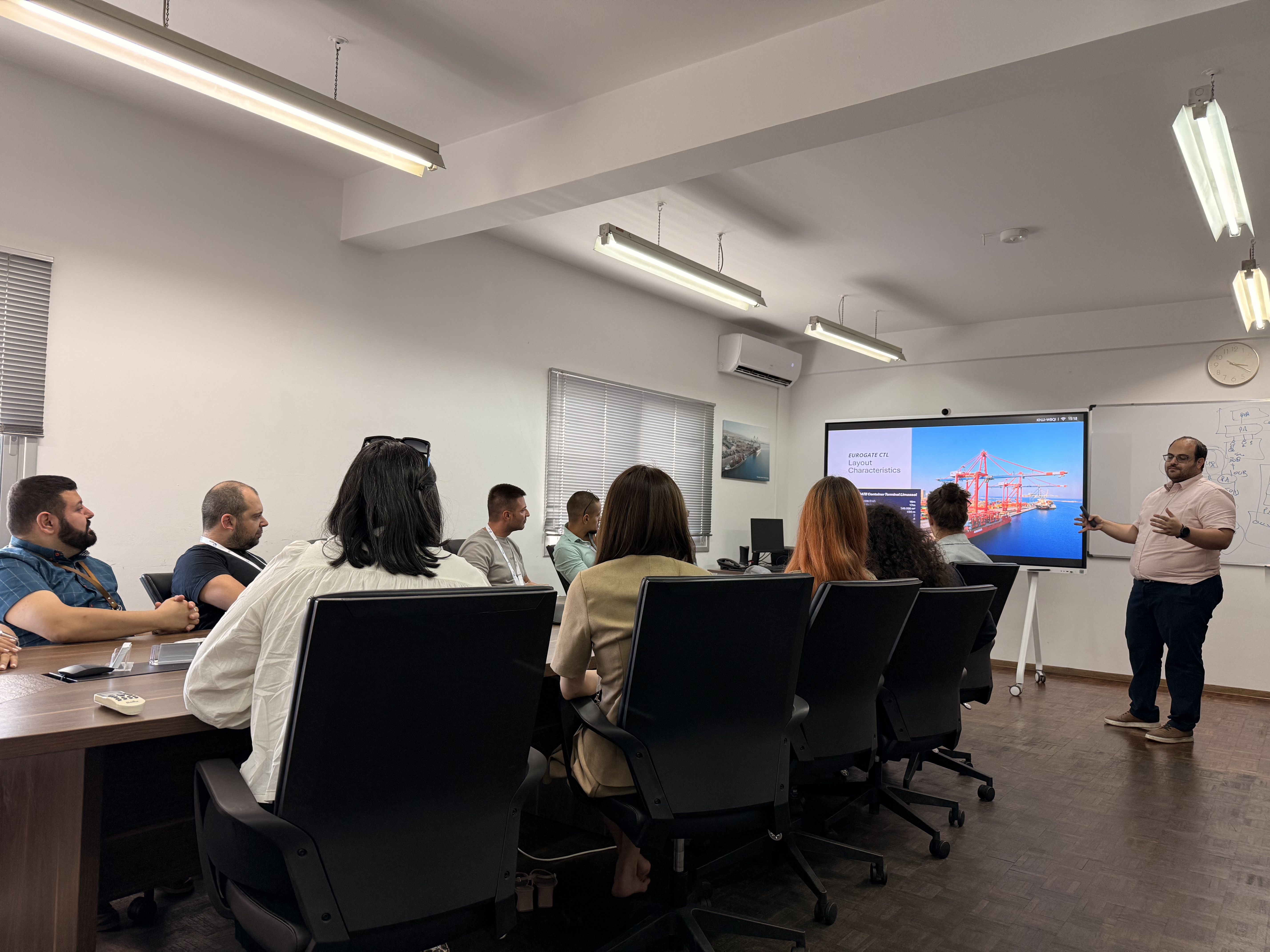
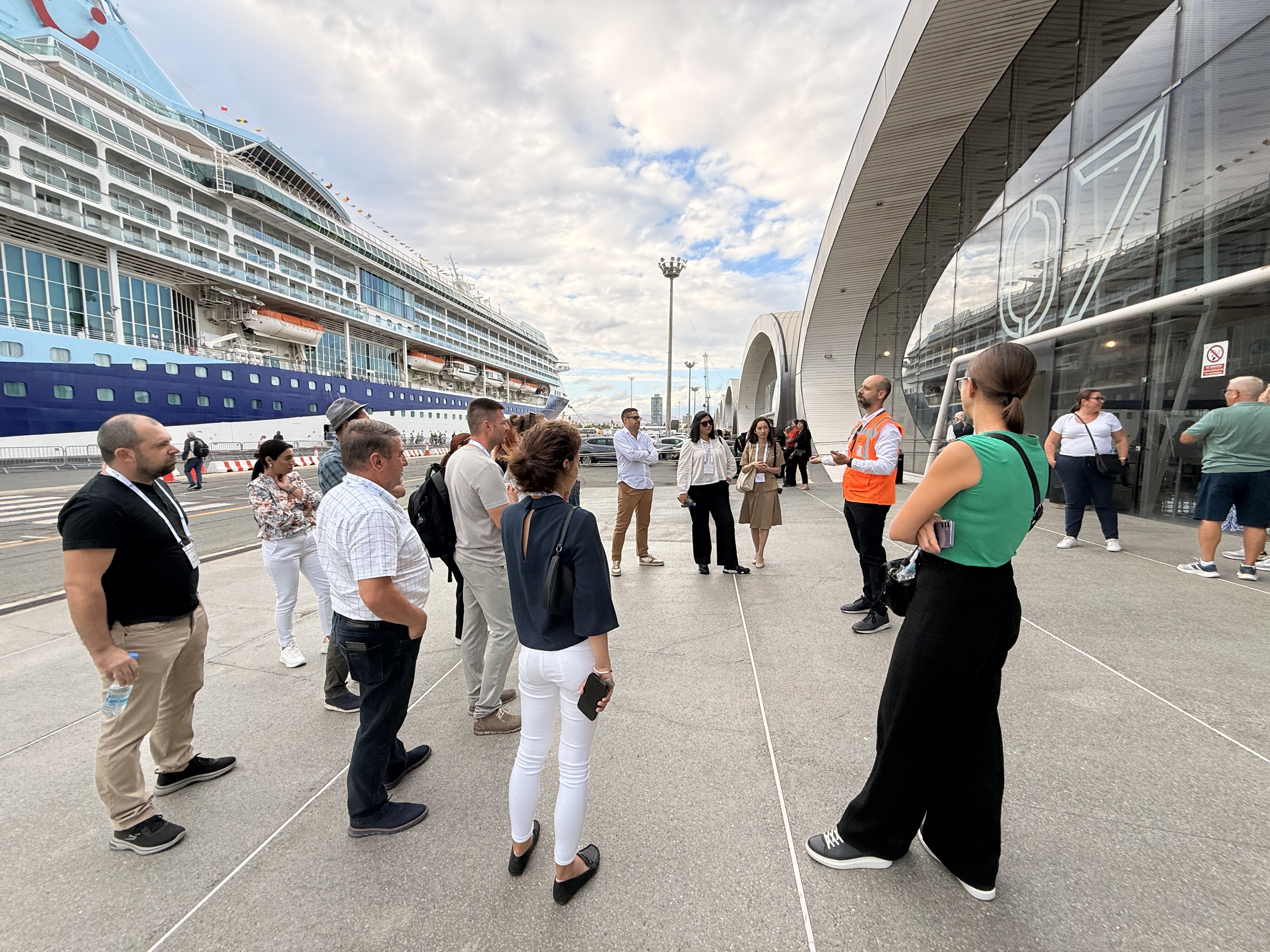
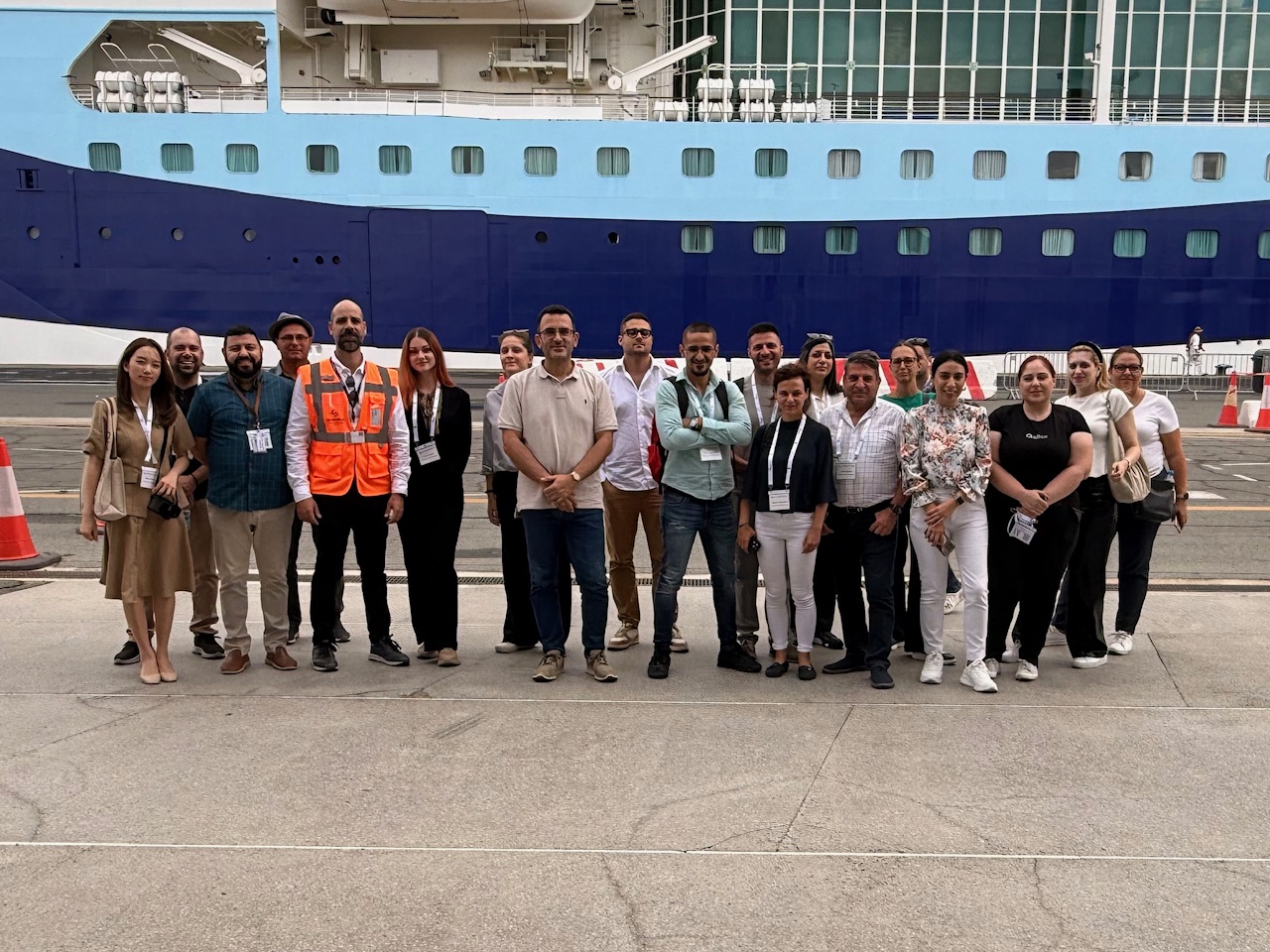
The programme concluded with a guided visit to Limassol Port, co-organised by Eurogate and DP World. Participants were introduced to terminal operations, logistics processes, sustainability initiatives, and port–city infrastructure, with presentations covering waste management, energy efficiency, and digital tools used in container and passenger terminal operations. The visit allowed participants to connect theoretical knowledge with real-world operational environments and observe ongoing innovation efforts within the port. The onsite component proved central in linking the programme’s thematic focus with practical experience. By combining high-level conference insights, expert-led workshops, and an operational port visit, the final phase strengthened participants’ understanding of the technological, regulatory, and sustainability challenges shaping the maritime sector. It also fostered meaningful networking and knowledge exchange across disciplines and professional backgrounds.